

When I got married, I became part of a very large and extended family back in Singapore. My mother-in-law is the eldest of 10 children, and my wife, the eldest of god knows how many cousins. Weekends at her grandmother’s house were chaotic, to say the least. That’s not including the cousins of cousins, and aunties of aunties.
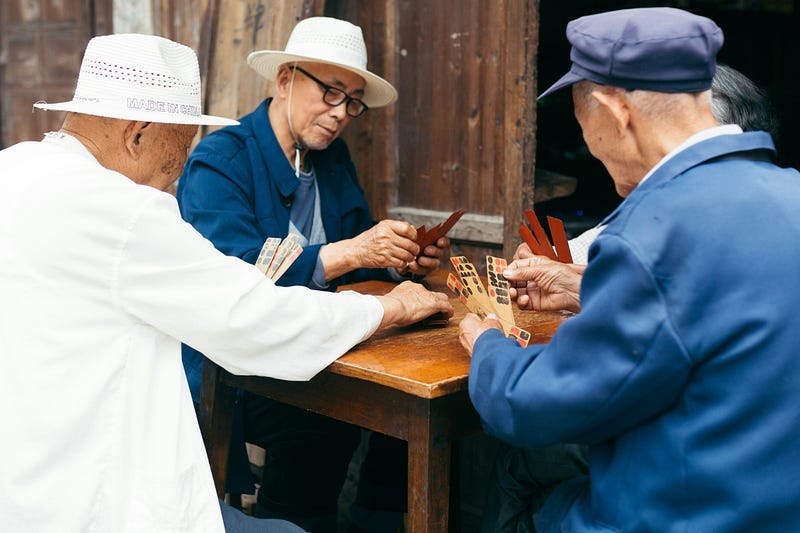
We set up tables and chairs in the corridors outside. Smoking, drinking, and nibbling on melon seeds. Endless rounds of cooking for everyone start the day before and end…It never ends. In the tiny rooms, mah-jong tables host games that go on for hours. The large TV is on full blast, with no one really watching it.
All of this packed into a 4-room flat no bigger than 110 sq. metres.
I used to dread having to spend weekends and holidays there; noisy and messy, but mostly exhausting. But now that we have been living in Australia for so many years, I, strangely, miss it.
My Perspective
Living in an extended family meant having multiple generations under one roof or within proximity. It was mostly for practical reasons. I remember the food and clothes my family shared with me when I was younger. It reduces waste and saves my parents a lot of money, since there were 5 of us. All my oversized clothes were hand-me-downs from older cousins and uncles.
In the 1970s, when I visited a classmate’s home, I discovered that several families (over 40 people) lived collectively in rooms attached to a main hall. This was for receiving guests and family meetings. There was a separate communal kitchen and dining room, and all the women helped with cooking and caring for the children. The men had jobs or worked in the family business.
Just like my wife’s extended family when she was growing up. “When someone in my family got married, my grandfather just built another room.”
Why Was This Important?
In agricultural societies, living together meant more hands to work the land and perform household duties. Many hands make light work. And light work yields a good harvest, creating the conditions for more hands in the future.
This meant that the group was more important than the individual, and individuals should put the needs of the family above personal ambitions. I am reminded of all the times my mother said to me,
“Let your (brother, sister, cousin, uncle, granny) eat first. You eat later.”
“We are doing this because it will make Ah Mah happy.”
“Give it to your cousin. Don’t be so selfish.”
“Don’t be selfish” is the underlying principle of collectivism, in contrast with the individualism of the West, which emphasises personal freedom, individual rights, and interests above those of the group.
But there are real, practical benefits to the idea of the extended family.
Transfer of knowledge: In the past, societies depended on knowledge passed down from one generation to the next. This knowledge, acquired over centuries of trial and error, helped the family and clan survive and prosper. Elders have the responsibility to ensure the transfer of this knowledge for the advancement of the clan.
An example would be the 30-day postpartum confinement period (坐月子) for women who have given birth. It involved practices like not leaving the house, not drinking cold water, or not taking a bath. Translated as “sitting the month”, the implication was that there were risks, back then, because of a lack of access to clean water or catching a cold if you went outside. It is also a time to help the new mother recover from childbirth and adjust to motherhood in a supportive environment.
From what not to eat when you have a fever to how to handle a quarrel with your second cousin, this knowledge can guide family members through various challenges and decisions.
Support for Each Other: When we moved to Australia, we missed having help and support at our doorstep when we needed it. Sometimes, even when we don’t need it.
This support is not just physical or financial; it also includes emotional and psychological support. To call on my brother for a chat is priceless. Elderly parents in need of care and young people seeking guidance will find having an extended family an invaluable resource.
Pooling of Resources: As extended families shared agricultural duties in the past, families today can pool resources to achieve common goals, such as purchasing a property, financing overseas education, or investing in a family business.
Family members are usually willing to sacrifice for the good of the family. This helps to foster economic stability and create generational wealth. It is not unusual for everyone to chip in and send their brightest to university so that they can bring honour to the family and the ancestors.
A Sense of Belonging: The principle of the extended family is that members look out for each other and will often drop everything when called upon in times of need. You are one of us; you are family. I think this is also a major contribution to mental health and overall happiness. It offers not just community, but a deep sense of purpose and belonging.
In this environment, there is less opportunity for depression because of isolation or lack of support. You focus less on yourself and more on the family. Family intrusion can mean problems are quickly identified and addressed. Your troubles become everyone’s troubles. With cousins and aunties fussing about after giving birth, maybe postnatal depression can be addressed before it gets too serious.
But is it all bright and rosy?
There are downsides
Family obligation: For a start, you will have a wider scope of obligation to consider beyond your immediate family unit. Since they care about you, you are expected to do the same for them. This sense of obligation can become a burden if overly exploited.
Imagine an unemployed uncle, with a gambling problem, living from crisis to crisis, always asking for a little help with this month’s rent. It is hard to say no because he’s family. Especially if he was a kind and generous uncle when you were younger.
Lack of privacy: Although families nowadays rarely share living space, living with close relatives often compromises personal privacy. Boundaries are just guidelines. This can sometimes lead to tensions and quarrels.
When my wife and I had our first child, my mother-in-law moved in to help with the month-long confinement. She would barge into our room every time our infant son cried, even at 2 a.m. in the morning. I recall being so stressed by her constant intrusion that I broke down one night when my son began to cry. I know she had the best intentions, and I truly appreciate the help. But still…
Interference with personal matters: The nature of extended families can also lead to over-involvement in personal decisions or lifestyle choices. Often, individuals need to consider what other members will think so as not to offend them. You can’t do your thing without inviting unwanted criticism or advice from well-intentioned relatives.
When I was 15, I had saved up my allowance (which wasn’t much) for over a year to buy a new bicycle. The reaction I received from some uncles and aunties was shocking. I got more than a few lectures about being too extravagant and wasteful because we were poor and couldn’t afford it.
Bullying: In extended families, traditional norms can give rise to bullying, particularly in relation to hierarchies or gender roles. You show respect to elders, never voice your discontent and unhappiness, and never talk back in the face of unreasonable criticism from older relatives. This can sometimes create a vicious cycle of one generation bullying the next, as in mother-in-law-daughter-in-law relationships.
Certainly, my mother-in-law suffered for years under her mother-in-law for no other reason than that she was the matriarch of the family. At 96, she was also, I believe, a victim of her mother-in-law’s bullying. This infection goes back generations. But I am happy that my mother-in-law broke this cycle through her positive relationship with her daughter-in-law.
But despite these, it is a precious thing to be a part of. It is difficult to explain how these messy arrangements of living together can bring much joy and meaning to our daily lives if you are open to it. That these “intrusions” are actually signs of someone caring deeply for you. That the mutual obligation towards each other becomes a source of comfort in difficult times, and that it feels like a privilege to have people, other than myself, to care about.
Creating Meaningful Connections and Memories
For me, it’s about cultivating meaningful connections and creating memories among family members. If you can accept the good with the bad, the intrusions with the genuine concern, losing privacy with the sense of belonging, you will see that your family is your connection to your past and your future.
Now, more than ever, I miss the noise and the constant call to “Jiak, jiak…” (eat, eat…) during family gatherings, and the physical reminder that I am part of a larger unit that accepts me as one of their own. My wife and I worry that our two boys will miss out on the experience of belonging to this family. We try to go back to Singapore as often as we can so they can spend time getting to know their aunties, uncles, cousins, nephews, and nieces. So that they can reconnect.
I hope they will eventually realise, as I now do, that beyond the 4 of us, we have roots and relationships that stretch back thousands of years.