
How Shein Works
The Reality Behind the World’s Fastest Fashion Machine

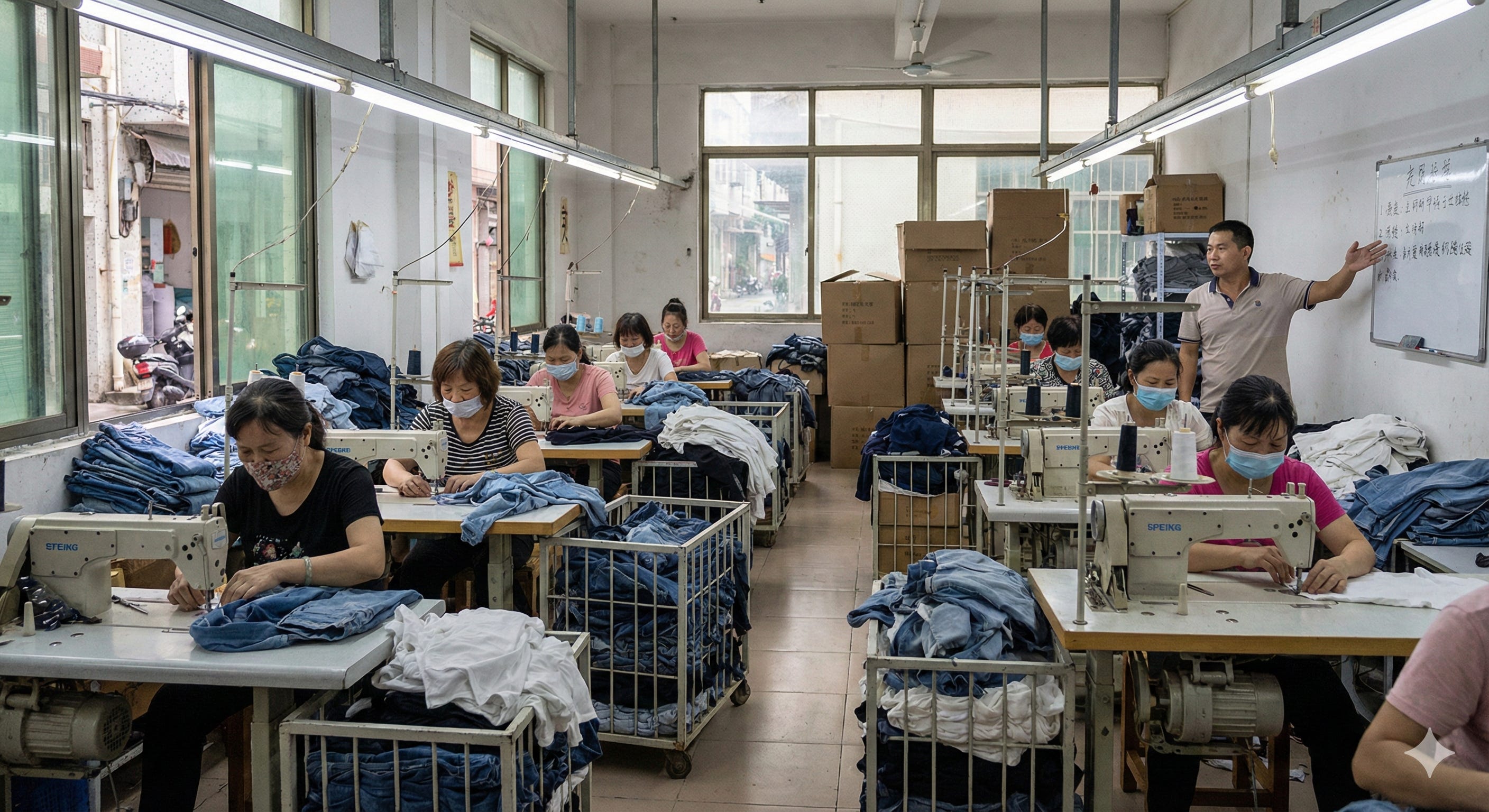
Open the Shein app and scroll for a few minutes.
The first thing that stands out isn’t the price (anymore). It’s the design. The catalogue moves quickly, the styles feel current, and new pieces appear almost daily. Many items cost more than what you’d find in Kmart or Big W, which already challenges the idea that Shein built its empire on bargain pricing.
Part of the confusion comes from how the platform sets its prices. Shein uses behavioural pricing, much like airline and hotel booking systems. The goal is not the lowest price, but the price at which customers stop hesitating. Shein’s algorithm monitors online behaviour, how customers browse, how long they linger, and when they walk away. Prices adjust to the point of least resistance.
Sometimes that number is low. Sometimes it isn’t. And if you place something in your cart and leave it there, Shein often responds with a small, targeted discount to nudge you back.
Shein’s appeal is not “cheapness.” It’s responsiveness. It is built to remove friction from the buying process rather than a race to the bottom, and its design engine refreshes faster than traditional retailers can match.
The Misunderstanding
The Western narrative, frequently politicised, tends to rely on a simple formula: fast fashion plus China must equal exploitation.
But labour issues exist across the global apparel industry, from South Asia’s bonded-labour schemes to wage theft in countries supplying major Western brands. These are structural problems, global characteristics of capitalism.
In Shein’s case, their success hinges on their operating model. It sidesteps the most significant financial risk in the fashion industry: predicting trends. Traditional forecasting creates massive waste. Shein avoids this by producing only what the market confirms.
Understanding that helps clear away many of the convenient assumptions surrounding the brand.
Shein’s Core Engine is “On-Demand” Manufacturing
Most fashion still follows a seasonal cycle: design, forecast, commit to large batches, then hope the market agrees.
Shein has somehow reversed this logic.
Micro-Batching
Instead of committing to thousands of units, Shein begins with runs of 50 to 100 pieces. These appear on the app almost immediately. If demand is strong, production scales. If not, the design is immediately retired.
Data-Driven Selection
Designs do not advance because a creative team believes in them. They advance because customers respond. The platform measures clicks, saves, add-to-cart actions, and purchase velocity. Only designs with traction get moved forward.
Digital Feedback Loops
Suppliers are plugged into Shein’s platform and receive real-time signals. If a style accelerates, workshops adjust output within hours. If a trend cools, orders stop instantly.
This creates a production rhythm built on data rather than forecasts. It also virtually eliminates billions of dollars of wastage. This, not cheap labour, is its true competitive advantage as a business.
Inside Guangzhou’s Urban Villages
Shein’s speed relies on the workshop ecosystems inside Guangzhou’s urban villages. These areas sit somewhere between residential districts and industrial clusters. Tall, narrow concrete buildings (aka “handshake buildings” because they are so close you can shake hands from across buildings) line cramped lanes, with workshops on lower floors and worker dorms above.
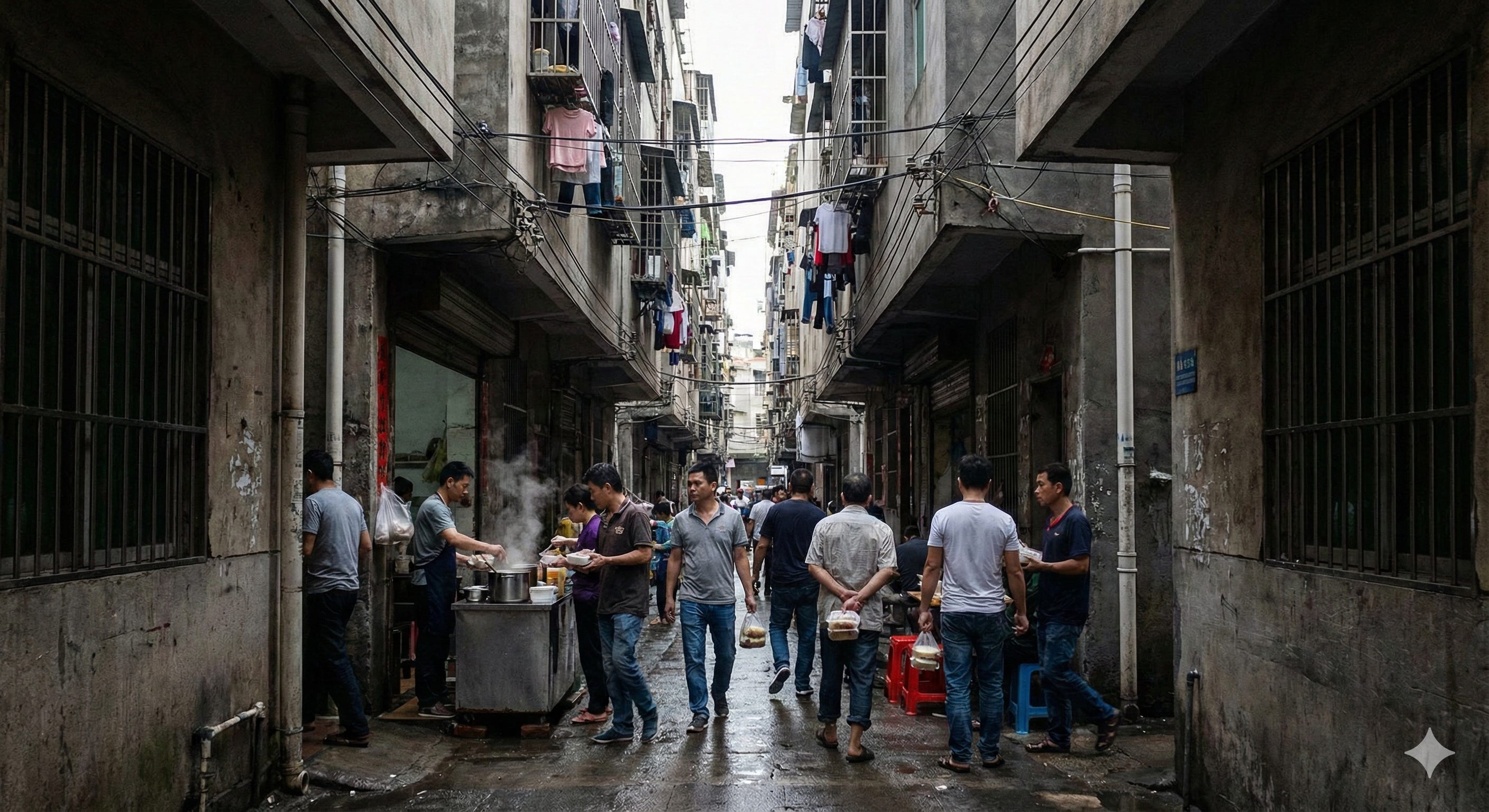
The setup is crowded, loud, and always in motion. But electricity is stable. Wi-Fi is common. Small businesses fill the ground level. Workers often stay for a season, work long hours on piece-rate pay, then return home once they’ve saved what they came for.
These workshops may not be the utopian environment of Western standards, but neither are they the large sweatshops found in Vietnam and South Asia either.
Workers move freely, switch employers, and leave when they choose. Conditions can be harsh, but they operate as small, competitive businesses responding to daily shifts in demand. This flexibility is exactly what Shein’s model requires and is difficult to replicate in large factories built for bulk production.
Why Shein Outpaces Zara, H&M, and Uniqlo
When compared with the major fast-fashion players, the structural differences become clear.
Forecasting vs. Testing
Traditional brands commit to large orders based on predicted demand. Misjudgment leads to excess stock and markdowns. Shein tests small batches and expands only after confirming interest.
Scale vs. Agility
South Asia’s factories are optimised for mass production, not constant turnover. Shein’s workshop networks specialise in fast, algorithm-based pivots.
Calendar Cycles vs. Real-Time Adjustment
Global brands operate on seasonal timelines. Shein adjusts designs, quantities, and sourcing daily.
These differences explain Shein’s speed and competitive advantage far more than assumptions about labour costs.
Shein as a Product of China’s Manufacturing Ecosystem
Shein is not an outlier. Tim Cook once remarked that people continue to misunderstand why Apple builds in China. It isn’t because labour is cheap. Those days are long gone. The advantage lies in the depth of the supply chain and the sophistication of the workforce.
China can bring together tooling specialists, materials experts, automation engineers, and precision manufacturers in a way no other country can match. The infrastructure is reliable, the logistics move at incredible speed, and the workforce is both skilled and willing to adapt quickly.
China built an ecosystem that can solve problems overnight, not because it works harder, but because the entire system is wired for scale, coordination, and stability.
It is what happens when several factors converge:
Supplier density that collapses timelines for sourcing and sampling
Migrant labour mobility that supports flexible production
Digital integration that links every workshop to a central platform
Efficient logistics move goods quickly across the country and the world
A culture of adaptation that favours rapid iteration over fixed plans
This combination is rare globally, which is why replicating Shein elsewhere has proven difficult.
Understanding Before Judging
Shein reflects a shift in how clothing is made, sold, and delivered. Its engine runs on speed, data, and a manufacturing ecosystem China spent decades building. It challenges long-held assumptions in the retail world and exposes inefficiencies in established brands.
A clearer view helps us move beyond slogans. Shein is not a mystery once we understand the system behind it. The question now is whether the rest of the industry will adapt, or spend years criticising the model while losing ground to it.