

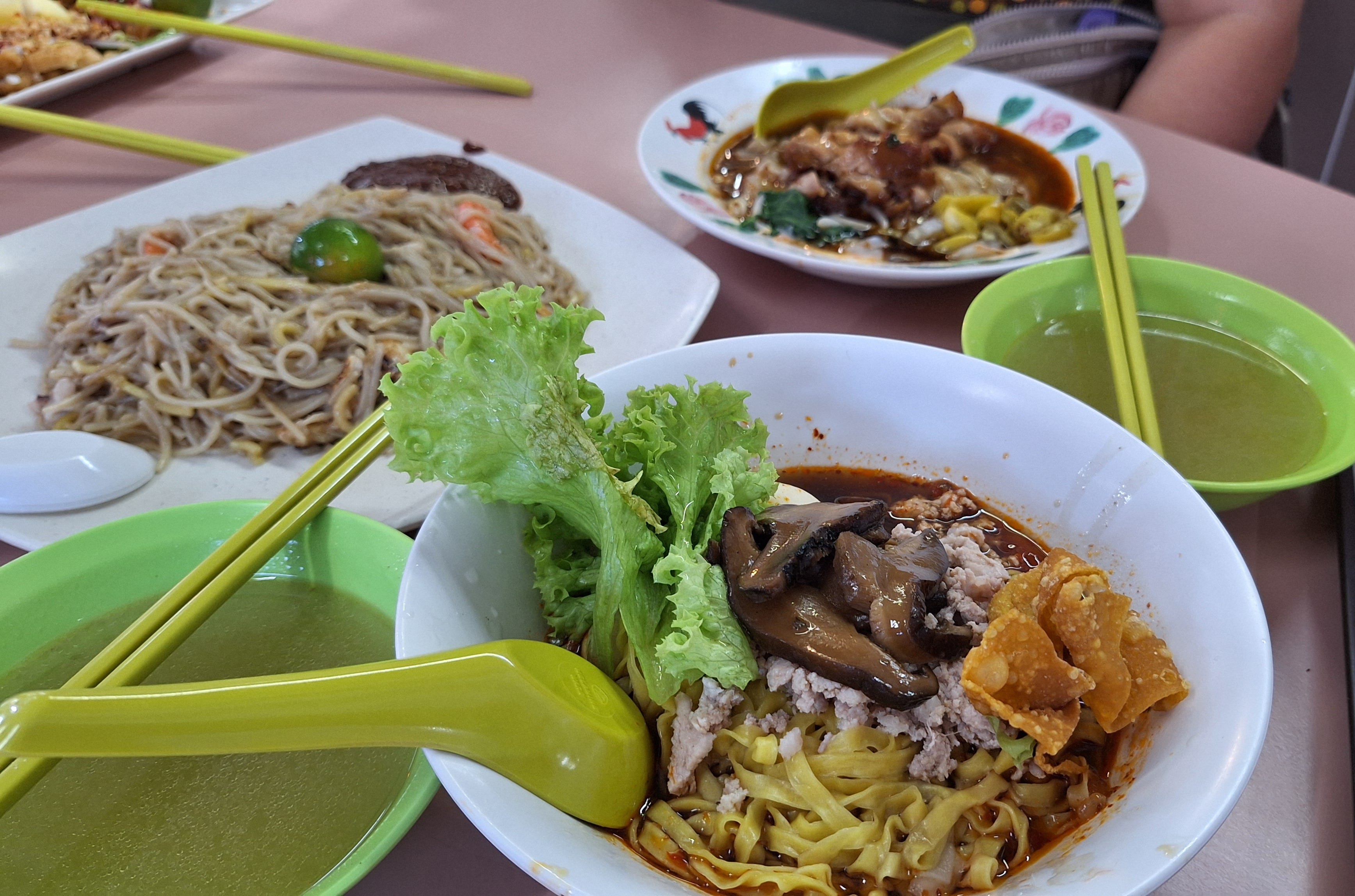
After being away for over two years, I returned to Singapore. This trip was different. I had planned to stay longer, a luxury afforded by the closure of our restaurant business in Australia. With more time to explore, I looked forward to reconnecting and rediscovering the food of my past.
Food has always been a central part of my visits to Singapore. This is because we miss it. Having moved to Australia, we miss our usual hawker food. These trips back are like culinary pilgrimages, filled with anticipation for flavours that I grew up with, dishes that are unavailable or somehow impossible to recreate.
But something felt different this time round.
It Tastes Different
As I revisited the foods that had been such a part of my life, I realised that many do not taste the way I remembered. They weren’t bad, just different. It didn’t quite match up to how I remembered them. Was it old age playing tricks on me? There was something that was missing from every mouthful I took, from almost every dish I ate.
On the first morning after we arrived, I wanted to eat the popular, common economy bee hoon. This is a simple dish of fried rice noodles with optional toppings/side dishes. Bee Hoon is a type of rice noodle, and a basic staple of Southern China. Here in Australia, it is also known as Singapore Noodles.
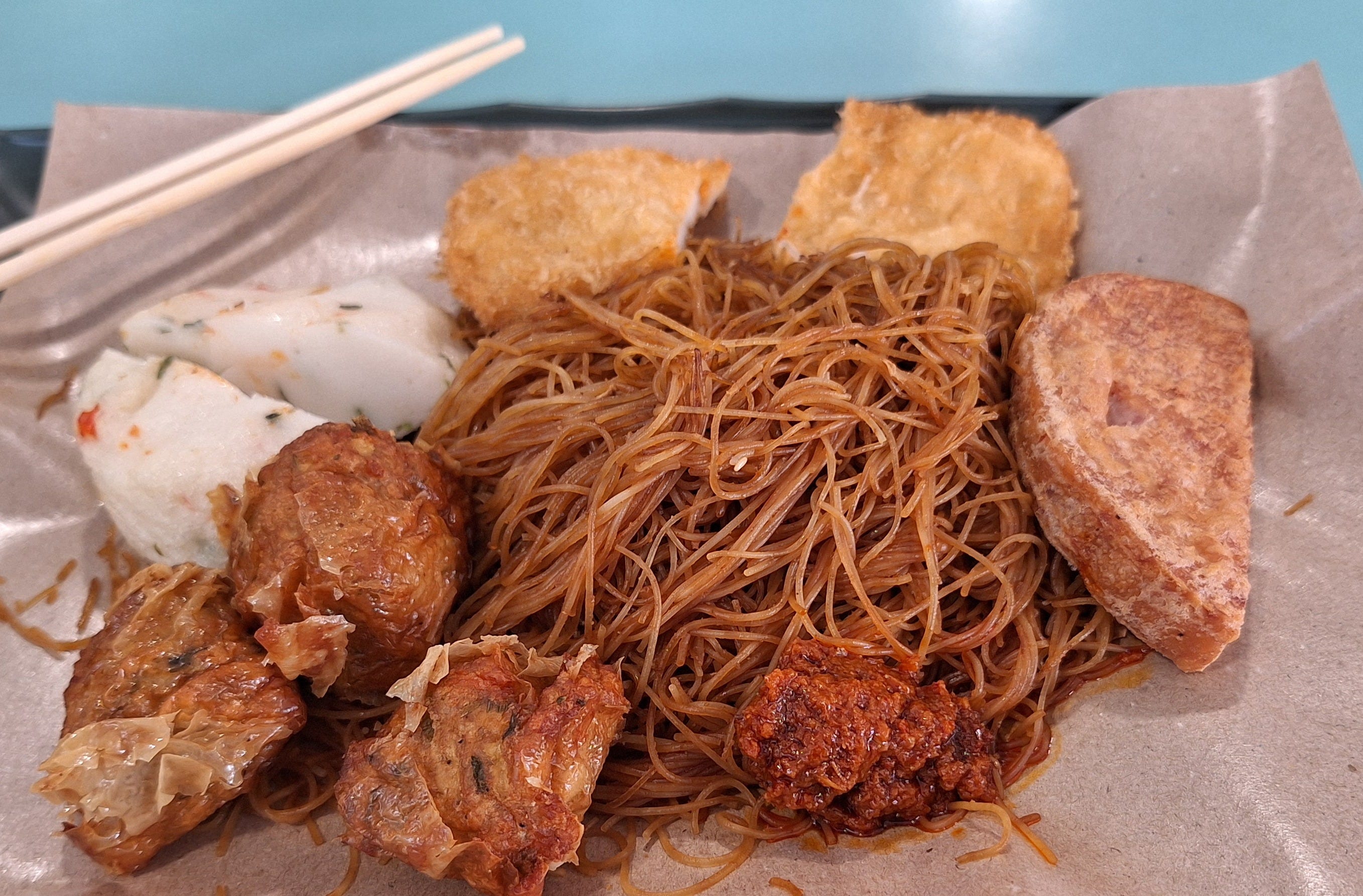
This is one of those “you can’t get it wrong” dishes. Bee Hoon is fried with a mixture of dark and light soy sauce, with perhaps some sugar and MSG. And white pepper. There is nothing else.
I didn’t like it. It was less than ordinary. It tasted incomplete when compared to a packet of plain fried bee hoon from my childhood.
This dish carries deep memories for me. When I was in primary school, my mother would sometimes buy me a packet to bring to school for recess. She had to wake up before dawn to go to the market, so she could make it in time for me to catch the 6:30 a.m. school bus. Back then, it was just 30 cents for a packet (just plain noodles).
Today, it is more expensive and has undergone significant changes. The bee hoon is usually served at room temperature, and customers can choose from a variety of toppings. Chicken wings, different types of fish cakes, braised cabbage, bean sprouts, fried eggs, luncheon meat, hot dogs and Chinese sausages. You name it. It is no longer a simple breakfast dish.
Despite my skipping dinner the night before, I didn’t finish it. It is possible this is my last plate of economy bee hoon.
Revisiting Katong Laksa
Several days later, I wanted to try Janggut Laksa, also known as the original Katong Laksa, a dish synonymous with Singapore’s food culture. Here in Australia, many chefs tried, in vain, to leverage the fame of Katong Laksa into an Australian interpretation. Myself included.
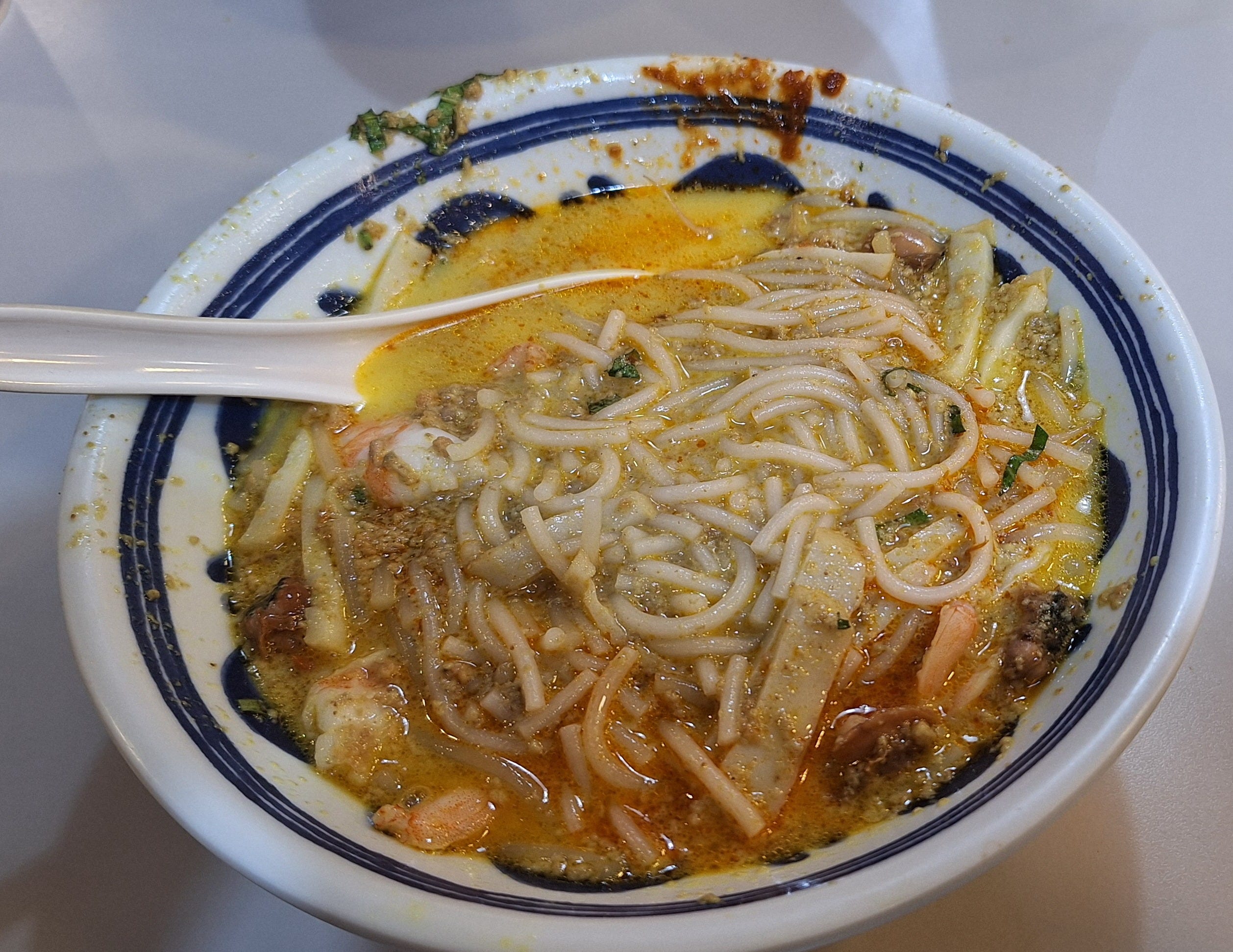
“Janggut” means beard in Malay. Named after its founder, whose long hair resembled a beard, this humble stall has grown into a small, renowned empire with five locations across Singapore. It is also the “original” Katong Laksa, claimed by the lady boss who sat next to us. She had taken over the business from her father, who had sold it from a pushcart in Katong in the early 1950s.
As someone who sold laksa in Adelaide for five years, I was eager to revisit this iconic dish.
The gravy was rich and flavourful; the sambal was satisfying. You eat Janggut Laksa with a spoon (no chopsticks) because the noodles are cut into short pieces. The bowl I had cost just under $10 (about AUD$14), and it was…well, not too bad. The history shared by the founder’s daughter added a little more depth to the experience.
Yet, it still felt like something was missing.
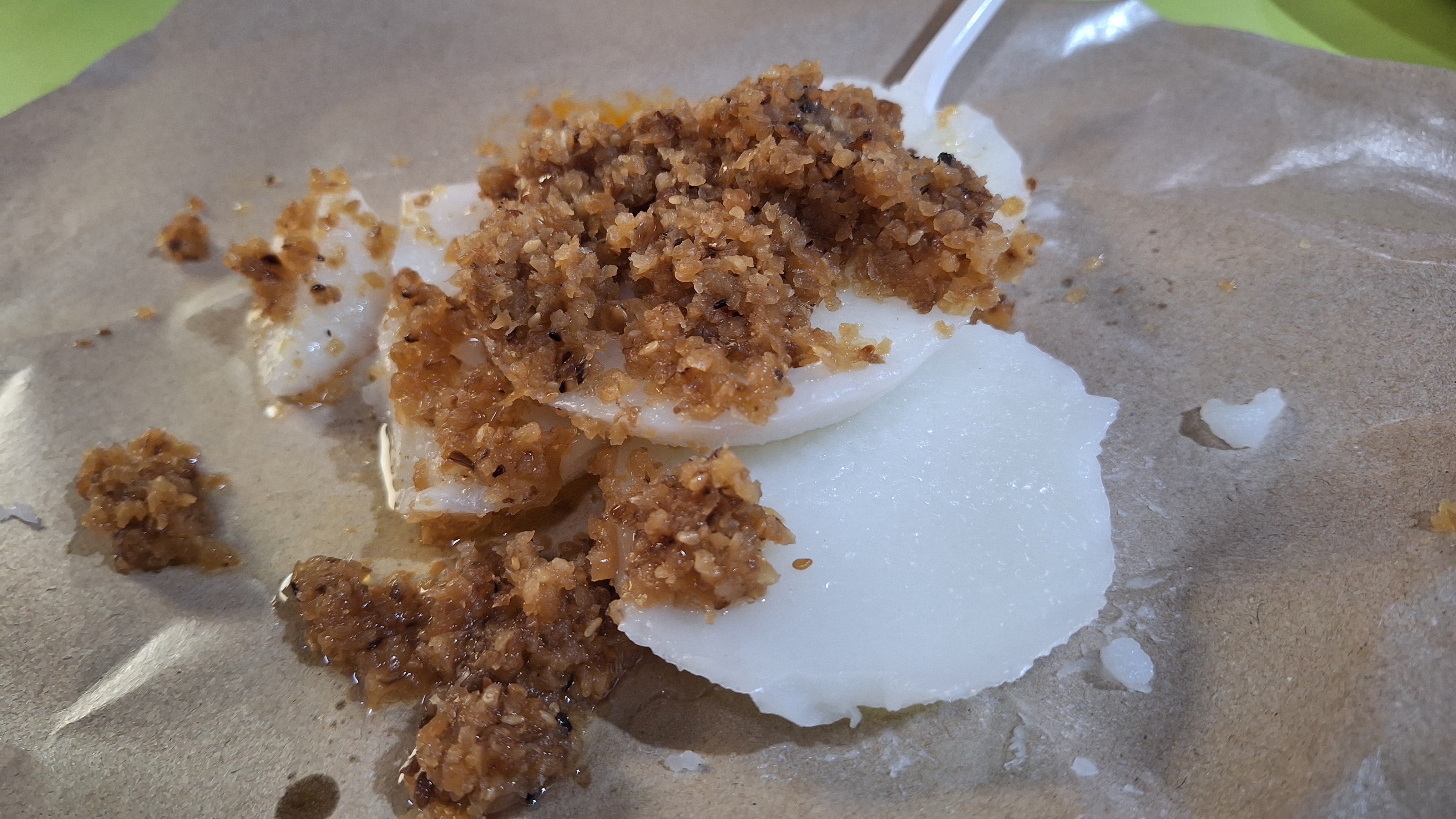
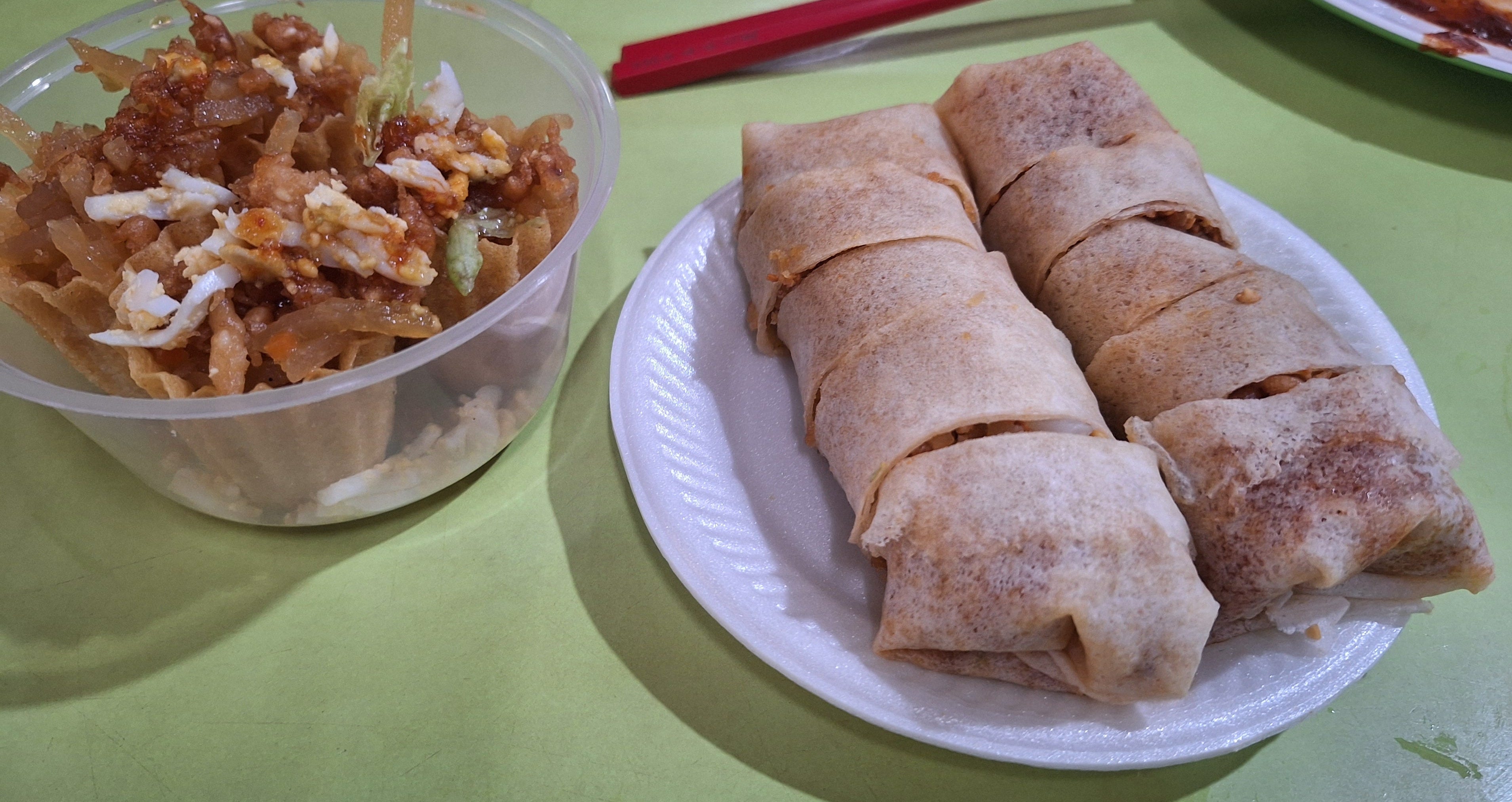
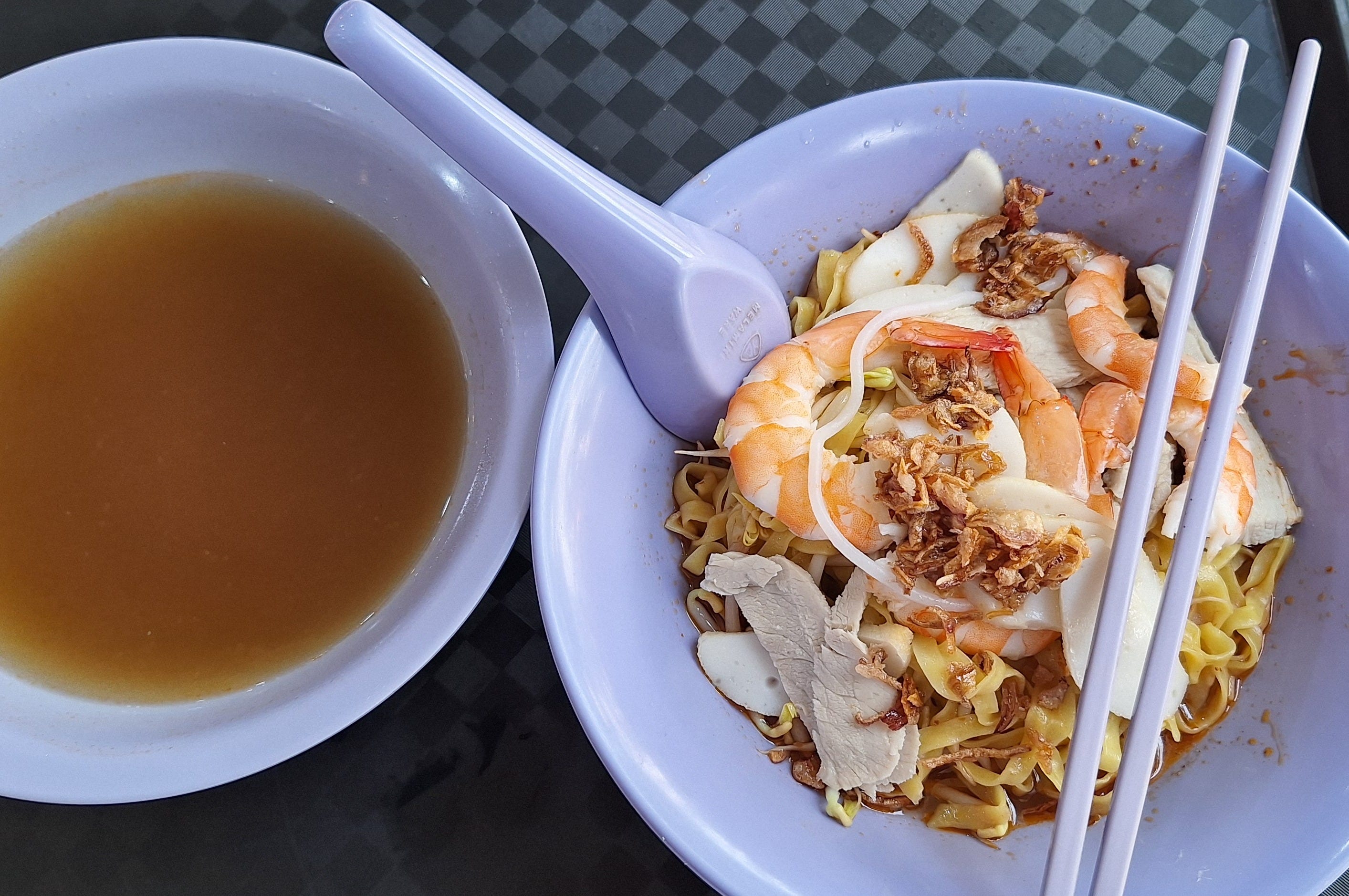
Throughout my stay, I sampled many iconic dishes: Michelin-starred char kway teow in Chinatown, chwee kueh (steamed rice cakes) from Bedok, Popiah (fresh spring rolls) and my favourite, bak chor mee (minced pork noodles).
All were “not bad”. None was as I remembered from long ago.
The Search for Steamed Buns
I heard from my mother-in-law about the story of a Chinese emperor who, after ascending the throne, yearned for the steamed buns he had eaten years ago while fleeing his enemies.
He recalled that he was trying to escape and, while in hiding, met an old man selling steamed buns. The old man, out of compassion, gave him and his guards some plain steamed buns, not knowing he was the emperor. He remembered they were the tastiest steamed buns he had ever eaten in his life.
When he ascended to the throne, he tried to find the old man selling the steamed bun. He also ordered his imperial chefs to make the same steamed buns for him.
Despite the best efforts of imperial chefs, the buns never tasted as good. Or the same.
The missing ingredient
One of the most cherished dishes I remember is ayam buah keluak, a complex Peranakan stew made with the fermented seeds of the Pangium edule tree. These seeds contain cyanide and require meticulous preparation to make them safe to cook with.
My grandmother prepared it every Chinese New Year, and it became my favourite dish. This blackish chicken stew has a savoury, bitter, and spicy taste, and is perfect with white rice. And it is especially delicious when left overnight at room temperature.
Despite trying versions from top Peranakan restaurants in Singapore, and thoughtful friends who took tremendous trouble to prepare it, none matched the flavour of my grandmother’s version. These were all delicious, and some tasted better than Grandma’s version, but they were all lacking something.
The Best Laksa in the World
The best laksa in the world isn’t Katong Laksa or any Michelin-starred version.
The best laksa in the world was served at a small canteen in the Toa Payoh Public Swimming Pool in 1980. Hardly anyone knew about it. It costs only 80 cents a bowl, and I used to share it with my younger brother after our afternoon swim during the school holidays.
No other laksas in the world taste better.
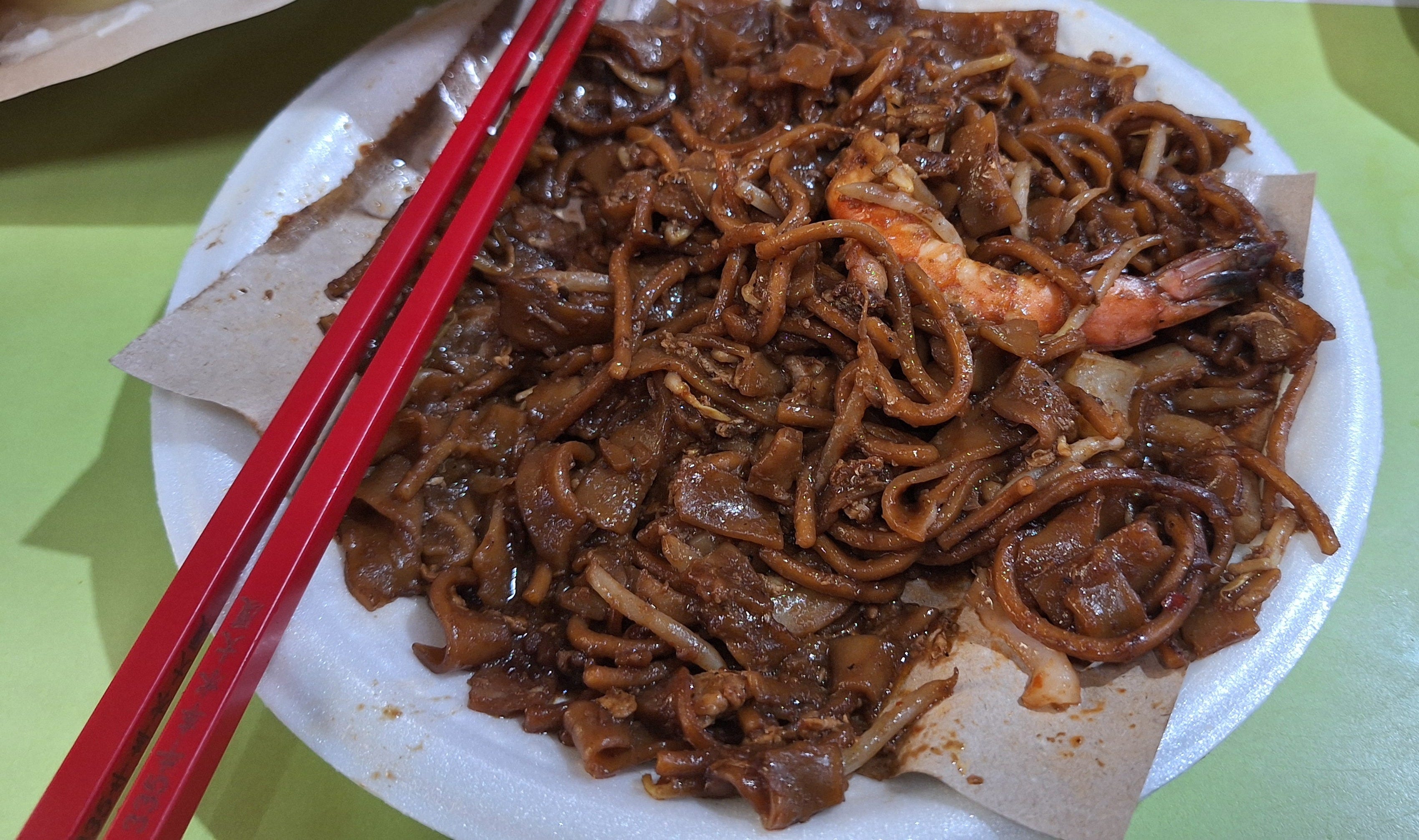
Perhaps what I craved wasn’t just a particular food, but the memories and experiences tied to it. The 50-cent char kway teow from my childhood came with the memory of bringing an extra egg for the cook to add to our order, taking it home with anticipation, and sharing it with my two younger siblings. One plate for the three of us. It was usually an afternoon treat, and it was never enough.
No other Char Kway Teow can beat that.
What was missing in all the lovely dishes wasn’t an ingredient or a recipe ingredient. It was the context: the time and place when I had the dish; the people involved in preparing it, serving it, and with whom I shared it; and all the emotions that flavoured each dish.
And these “contexts” carry the ingredients that cannot be replicated. These memories from the past, the people, the way of life, the remembering, make those dishes unique and forever beyond present reach.
The past cannot be recreated, but that’s okay. It helps me appreciate the present more than ever.
Creating New Memories
Two years ago, we had another laksa at another award-winning stall in Vivo City, the Republic Food Court. It had all the awards and reviews from all the major newspapers. It was recommended by influencers, and it costs a whopping S$27 a bowl.
The laksa was just so…so.
Maybe I was biased. So I asked my son how it compares to the laksa I made in our restaurant. He tasted it, thought for a moment, and said, “Yours is better.”
Hearing that warmed my heart. Maybe he was being nice. But if he truly feels it is better than one of the best in Singapore, I think I know why.
I hope that years from now, when I’m no longer around, he’ll look back and say, “My dad made the best laksa in the world. Better than the original Janggut Katong Laksa in Singapore. Or Australia.”