

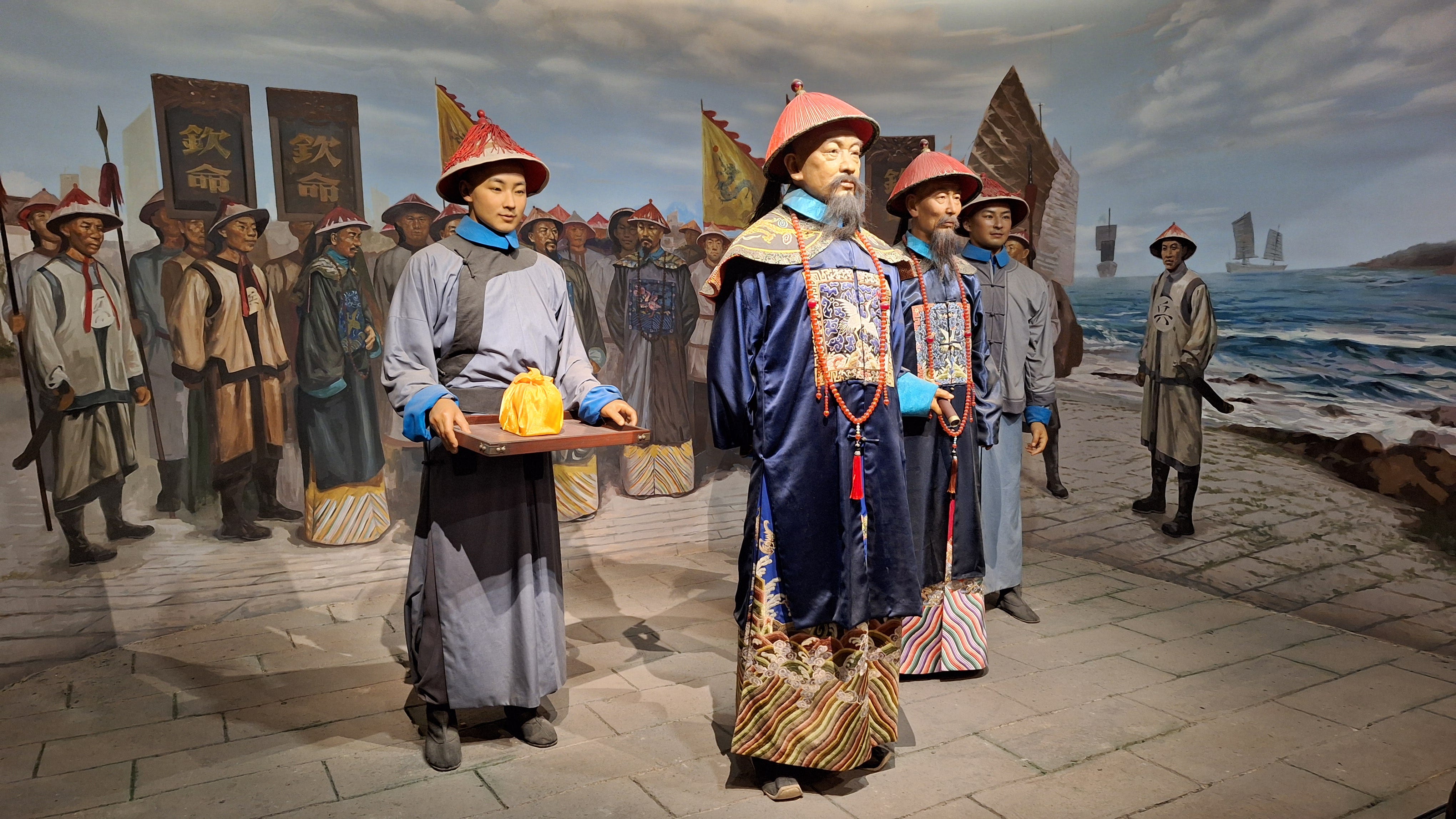
Last year, I returned from a trip to Hong Kong and southern China. In Fuzhou, I visited the Lin Zexu Memorial Hall, which is a must-see for tourists and visitors. I was deeply moved by my experience there.
Lin Zexu (林则徐) was a prominent Chinese statesman and philosopher during the Qing Dynasty, and best known for his staunch resistance against the British opium trade in the 19th century.
Appointed as the Imperial Commissioner in 1839, Lin arrived in Guangzhou (Canton) with a mission to eradicate the widespread opium addiction that was devastating Chinese society.
The Memorial displays Lin Zexu’s efforts to suppress the opium trade, including his famous letter to Queen Victoria and the destruction of 20,000 chests of opium at Humen.
Other artifacts, such as manuscripts, personal belongings, and official documents from the Qing Dynasty, provided detailed insights into his legacy as a reformer, patriot, and moral leader.
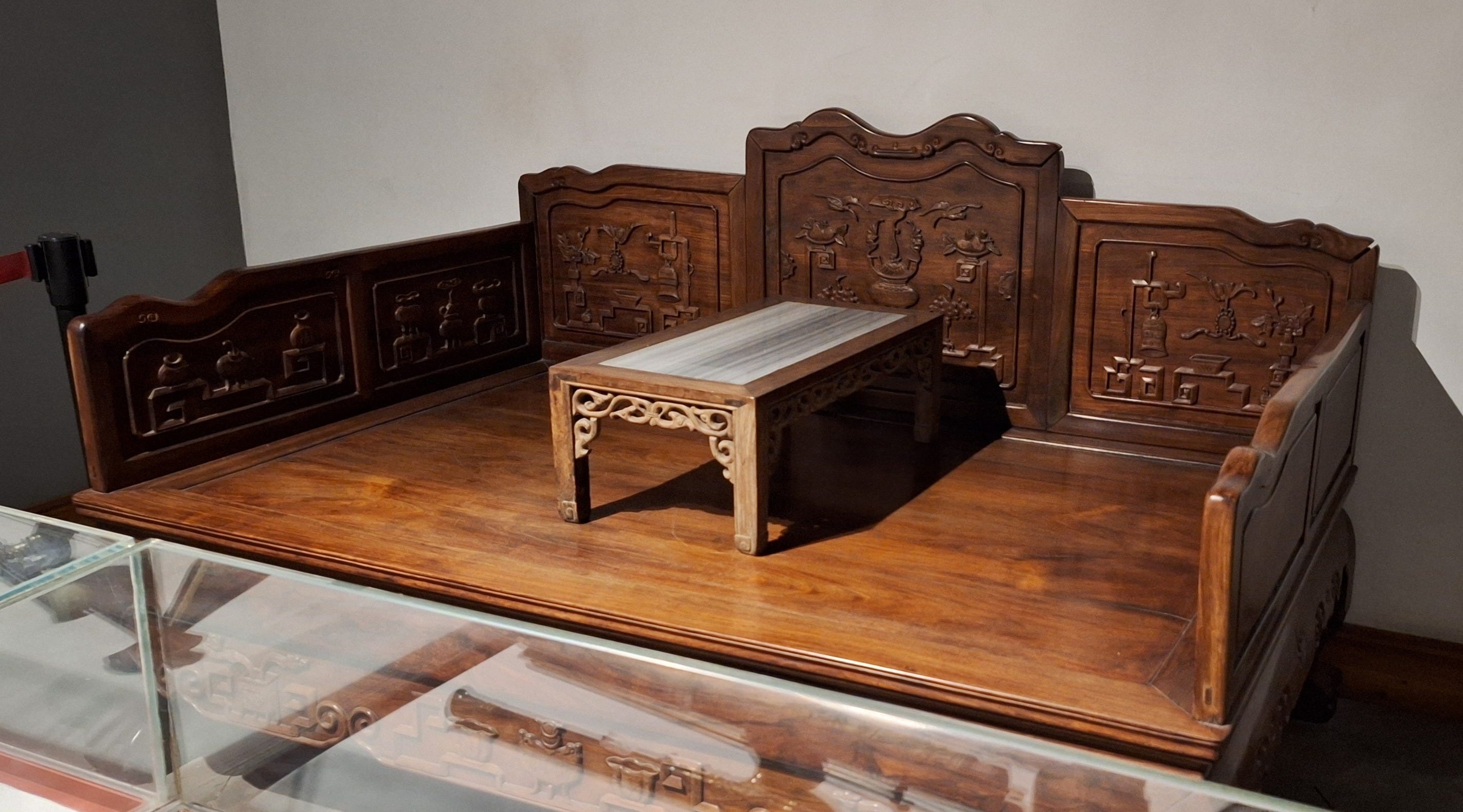
I recalled having a conversation with a neighbour several years ago about the 2019-2020 Hong Kong protests. I mentioned in the conversation that Hong Kong was part of China and that it was ceded to the British after the First Opium War.
I reiterated that Hong Kong was returned to China. Not, as she said, “China had taken Hong Kong (away) from the British.” She had not heard of the Opium Wars and sadly didn’t really want to know about them.
Having visited the Memorial Hall, I thought this could be an opportunity to share with you some of the darkest chapters in Chinese history.
Those were dark times
The 19th century witnessed the darkest chapter in Chinese history, marked by exploitation by the British Empire, among others. What began as a trade imbalance soon escalated into a series of conflicts, starting with the Opium Wars. It also exposed the moral bankruptcy of imperialism.
These wars were a deliberate campaign of aggression, fuelled by the greed of the (British) East India Company, and supported by the might of the British Empire. It was the military industrial complex of the day.
The Opium Trade
The roots of the Opium Wars lie in the unequal trade relationship between Britain and China. By the early 19th century, Britain was importing vast quantities of tea, silk, and porcelain, while struggling to find commodities that the Chinese market wanted.
This led to a significant outflow of silver from Britain, creating a crippling trade deficit. Unable to find a solution, the East India Company turned to opium to reverse the flow of silver.
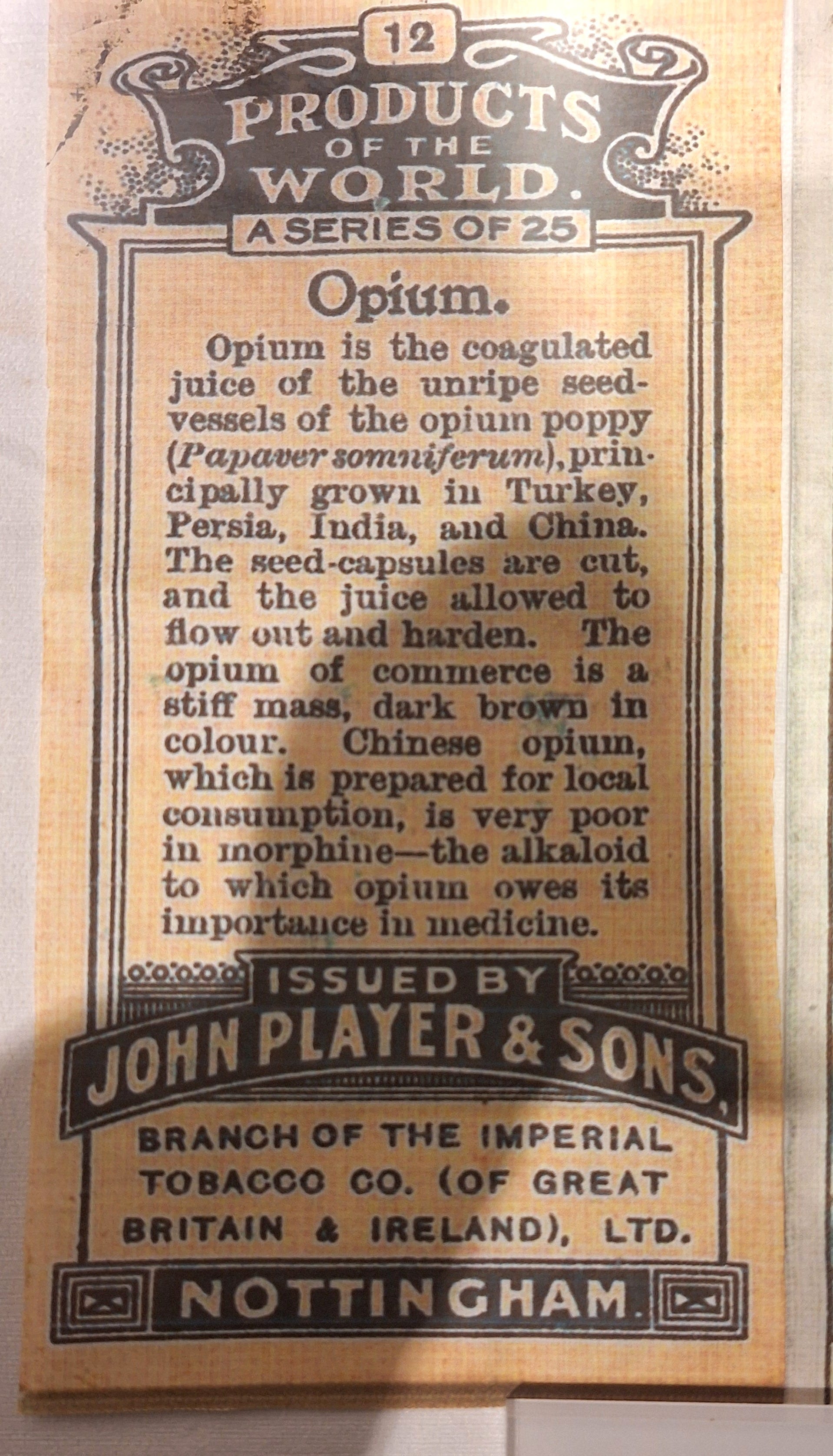
Though used medicinally in some cultures, opium had become a recreational drug in the European colonies. The East India Company monopolised the production and export of opium from Bengal and Malwa, flooding the Chinese market despite prohibitions imposed by the Qing government.
The British, fully aware of the destructive effects of opium, deliberately exported it to China. Smugglers bribed corrupt officials, bypassing customs checkpoints, and ensured the distribution of opium throughout China.
Social Devastation and Economic Ruin
By the 1830s, opium addiction had reached epidemic levels in China. Millions of Chinese, estimated to be around 4% of the population, were addicted.
The social cost was immense, with families torn apart as men squandered their earnings on opium. Public spaces were filled with opium dens. The social fabric of Chinese society fell apart as productivity plummeted.
The economic impact was equally devastating. Silver poured out of the country to pay for the imported opium. This drain destabilised the currency, causing massive inflation and crippling local industries. Farmers abandoned crops to grow poppies, exacerbating food shortages and rural poverty.
Young men neglected their duties, while elders despaired at the loss of traditional values. Temples and schools fell into disrepair as communities prioritised survival over spiritual and intellectual pursuits.
Opium was threatening to destroy China’s thousand-year cultural heritage.
Lin Zexu
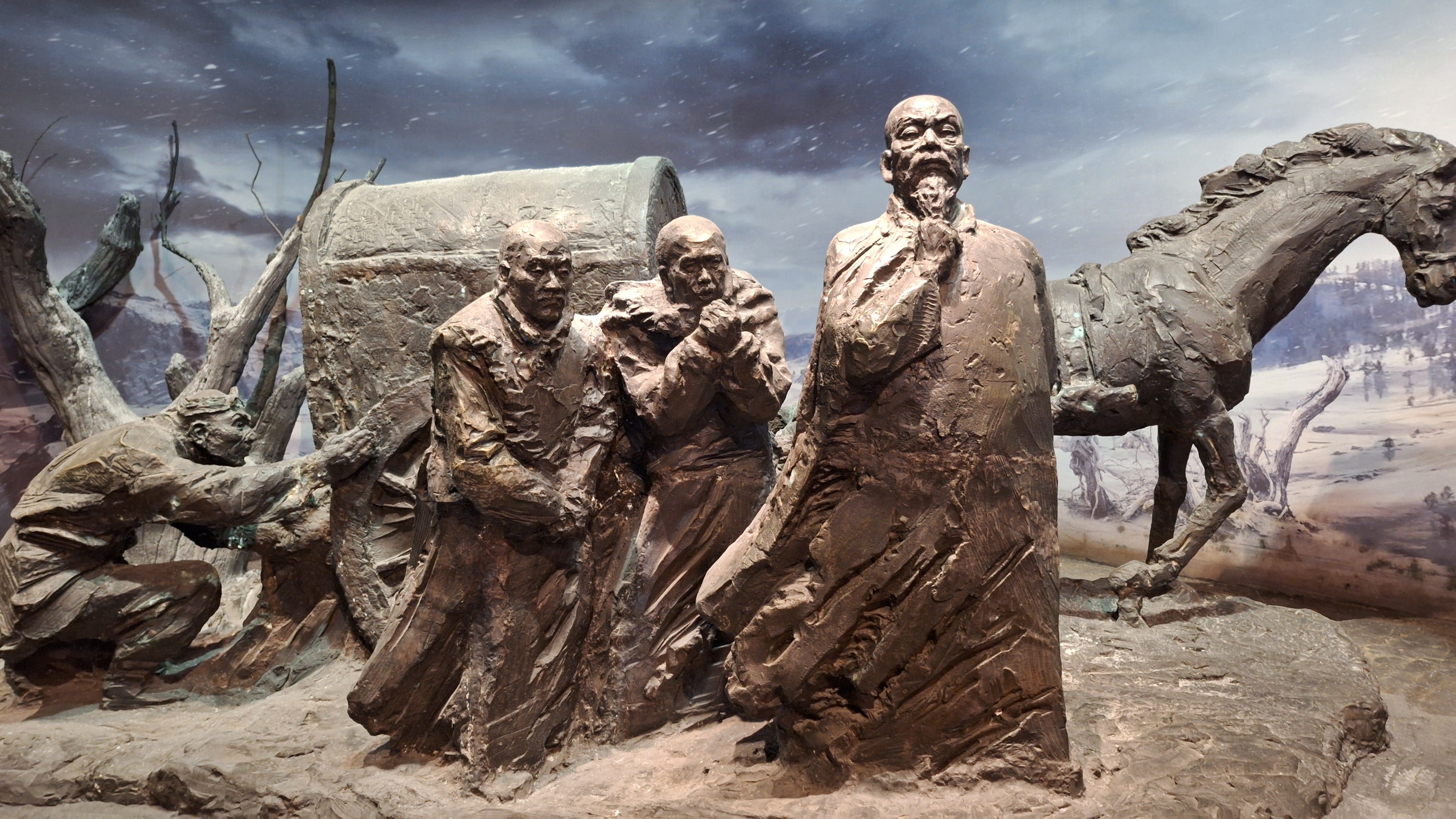
In the face of all these, Lin Zexu (林则徐) emerged as a heroic figure who would come to embody resistance against imperial exploitation.
Appointed as Imperial Commissioner in 1839, Lin arrived in Guangzhou (Canton) to eradicate the opium problem. Lin issued stern warnings to foreign traders, demanding they surrender their opium stocks. When they resisted, he blockaded foreign trading houses and cut off supplies. He also confiscated over 20,000 chests of opium worth millions of sterling pounds for destruction.
Before taking drastic steps, Lin sought to appeal directly to Queen Victoria, hoping to persuade her to stop the immoral opium trade. He framed his argument in humanitarian terms, appealing to the queen’s sense of justice and responsibility as a ruler.
The letter (reconstructed) was written in classical Chinese and later translated into English by British officials. It was never delivered to Queen Victoria, although it was published in British Newspapers and pamphlets, sparking debates about the morality of the Opium trade.
The Letter that never reached the Queen
Letter of Advice to Queen Victoria
By Lin Zexu (1839)
To Her Majesty, Queen Victoria of Great Britain:
I humbly address Your Majesty with respect and sincerity, hoping that you will graciously consider the words of a loyal servant of the Chinese Empire. My purpose is not to offend, but to appeal to your sense of justice and humanity.
Your country is 60,000 li from China. Yet there are barbarian ships that strive to come here for trade, for the purpose of making a great profit. Among the goods they bring, opium is the most harmful and destructive. This drug has caused immense suffering in our land, ruining countless lives and families. It has drained our silver reserves and weakened our people. Surely, no civilised nation would knowingly allow such harm to be inflicted upon another.
Your Highness, we understand that within your own dominions, the smoking and sale of opium are strictly prohibited by law. If this is true, then why do you permit your merchants to export this poison to other countries? Is it not cruel and unjust to enrich yourselves at the expense of our misery? If you forbid your own subjects from using opium, how can you justify allowing it to be sold abroad?
We have learned that many of your merchants engage in this wicked trade because they seek wealth without regard for morality. They deceive our people, corrupting them with this vile substance. But as their ruler, you bear responsibility for their actions. A sovereign must ensure that her subjects act with integrity and fairness. How can you claim to be a just and benevolent ruler if you allow such evil practices to continue?
We now demand that all opium trade cease immediately. Your merchants must leave our shores and never return with this poison. If they refuse to comply, we will take decisive action to protect our people. Already, we have confiscated over 20,000 chests of opium. We will destroy them to send a clear message that we will not tolerate this menace any longer.
Your Majesty, we urge you to reflect deeply on this matter. Consider the consequences of continuing this immoral trade. It will only lead to conflict and mutual destruction. We hope that you will act wisely and with compassion, ending this scourge once and for all.
In closing, I implore you to heed this advice. Do not let greed and selfishness blind you to the suffering of others. As rulers, we are entrusted with the welfare of our people. Let us work together to promote peace and prosperity, rather than perpetuating harm and injustice.
With utmost respect,
Lin Zexu - Imperial Commissioner of China
In June 1839, Lin oversaw the destruction of 20,000 chests of opium at Humen, near Guangzhou.
The First Opium War
Lin’s resistance infuriated British merchants and officials. They lobbied London for military intervention, framing the issue as a matter of “free trade,” a defence of economic interests, and national pride, and as a defence of the “honour of the Queen.”
This led to the First Opium War in 1839. The British navy, equipped with steam-powered, iron-clad ships and advanced artillery, easily overwhelmed China’s outdated wooden junks and coastal defences. Key battles included the capture of Dinghai, the bombardment of Xiamen, and the occupation of Shanghai.
British forces did not limit themselves to military targets. Villages along the coast of the Yangtze River and southern China were burned, crops destroyed, and civilians massacred.
Lieutenant Colonel George Malcolm, who took part in the First Opium War, wrote candidly about the brutality of his fellow soldiers, noting that “no quarter was given” to those who resisted, regardless of age or gender.
However, not all Westerners condoned the behaviour of British forces. Some missionaries and diplomats stationed in China condemned the violence inflicted on civilians.
Reverend Charles Gutzlaff, a German missionary who worked with the British, criticised the indiscriminate shelling of towns and the suffering inflicted on innocent people.
Karl Marx, writing in the New York Daily Tribune in 1853, denounced the Opium Wars as “piratical expeditions” motivated by greed and imperialism. He highlighted the hypocrisy of Britain’s actions, pointing out that the nation claimed to be bringing civilisation to China while engaging in barbaric acts.
These atrocities underscored the ruthlessness of the British. The tactics instilled fear and ensured compliance. By deliberately destroying farmland and crops, they weaken Chinese morale and cripple their food supplies.
This “scorched-earth” approach was intended to pressure local populations to surrender and discourage further opposition. The war ended in 1842 with the signing of the Treaty of Nanking, which imposed the following terms on China:
Cession of Hong Kong Island to Britain: This strategic outpost became a crucial British colony and a major financial centre.
Opening of five treaty ports (Guangzhou, Xiamen, Fuzhou, Ningbo, and Shanghai) to foreign trade: These ports became hubs for Western commerce, allowing Britain to dominate Chinese trade and grow the opium trade.
Payment of reparations to cover British losses: The Qing government was forced to pay 21 million silver dollars in war indemnities, further draining China’s struggling economy. Some calculations estimate this amounts to $200-$300 billion in US dollars based on today’s labour/wage comparisons.
Extraterritorial rights for British citizens in China: British citizens were no longer subject to Chinese law and could only be tried in British consular courts.
These concessions effectively opened China to further exploitation by Western powers in the years to come. It forced China to accept terms that prioritised British financial interests above the well-being of the Chinese people.
Lin Zexu was made a scapegoat by the Qing court for his aggressive anti-opium policies, which were seen as provoking the British into war. In 1840, he was dismissed from his position as Imperial Commissioner and exiled to the remote western regions of Xinjiang.
The Second Opium War
If the First Opium War was a wake-up call, the Second Opium War (1856-1860) was a full-blown catastrophe. Sparked by disputes over treaty enforcement and renewed demands for expanded access to Chinese markets, the conflict involved not only Britain but also France, Russia, and the United States.
The war saw even greater devastation, including the sacking and burning of the Summer Palace in Beijing by Anglo-French troops in 1860. This architectural marvel, filled with priceless artifacts and treasures, was looted before being set ablaze.
The resulting treaties, most notably the Treaty of Aigun and the Convention of Peking, further eroded Chinese sovereignty. More ports were opened, missionaries gained unrestricted access to the interior, and opium was formally legalised.
The legalisation of opium further institutionalised addiction in China. Perhaps most damaging was the cession of the Kowloon Peninsula to Britain, expanding its control over Hong Kong.
The Century of Humiliation
The Opium Wars left an enduring scar on China’s national psyche. They are often cited as the beginning of the Century of Humiliation, a period of repeated defeats and encroachments by imperialist powers.
The wars also exposed the Qing dynasty’s weaknesses, hastening its decline and paving the way for waves of internal rebellions.
Troubles at Home
The Taiping Rebellion (1850–1864) was one of the deadliest conflicts in human history. It was a massive civil war led by Hong Xiuquan, a self-proclaimed Christian prophet and younger brother of Jesus Christ, who sought to overthrow the Qing Dynasty and establish a utopian kingdom called the “Heavenly Kingdom of Great Peace” (Taiping Tianguo).
Millions died as the rebellion ravaged southern and central China. Although the Qing eventually suppressed it, the conflict left the dynasty severely weakened.
The Nian Rebellion (1851–1868) was a peasant uprising in northern China, fueled by poverty, famine, and anti-Qing sentiment. Though smaller in scale than the Taiping Rebellion, it further drained Qing resources.
The Muslim Rebellions (1855–1873) resulted from ethnic and religious tensions that erupted into violence in western China, especially in Xinjiang and Yunnan. Although these rebellions were suppressed, they revealed the Qing Empire's tremendous weakness.
Opening the floodgates
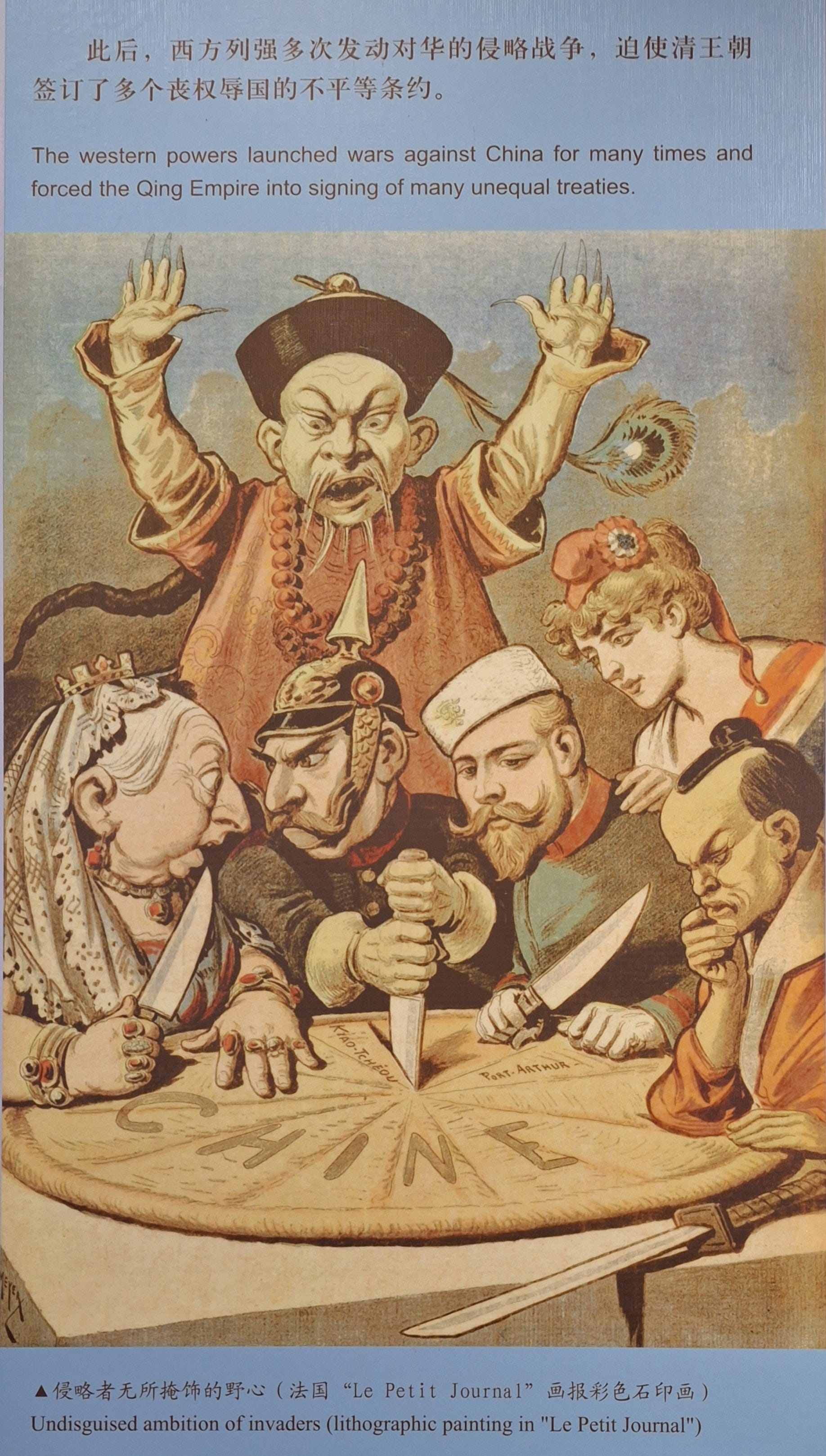
As the Qing Dynasty struggled to recover, foreign powers took advantage of its weakened state to expand their influence in China. These encroachments were part of a broader “scramble for concessions” that eroded Qing sovereignty and further destabilised the empire. Each foreign power pursued its own imperial ambitions, carving out spheres of influence and exploiting China’s vulnerabilities.
Russian Expansion
Russia emerged as one of the most aggressive imperial powers in northern and central Asia during the 19th century. Its expansion into Chinese territory was driven by strategic interests, including access to warm-water ports, control over trade routes, and the establishment of buffer zones against rival powers.
Treaty of Aigun (1858)
Following the Second Opium War, Russia pressured China into signing the Treaty of Aigun, which ceded vast territories in Outer Manchuria, an area larger than France, to Russian control. This included key regions along the Amur River, giving Russia significant leverage over Northeast Asia.
Treaty of Beijing (1860)
The Treaty of Beijing (aka Convention of Peking) further expanded Russian gains, granting control over the Ussuri region, including the vital port of Vladivostok. By the late 19th century, Russia had established dominance over much of northern China, building railways (such as the Trans-Siberian Railway) and fortifying its military presence.
Central Asian Advances
Besides its territorial acquisitions in northern China, Russia also extended its influence into Central Asia, annexing regions such as Xinjiang and Kazakhstan. These moves created additional pressure on China’s western and northern borders.
French Involvement in Vietnam
France’s colonisation of Vietnam marked another blow to Qing China’s regional influence. As part of the Qing tributary system, Vietnam had long been a vassal state of China. However, France’s imperial ambitions in Southeast Asia clashed directly with Qing interests.
Colonisation of Vietnam
Beginning in the 1850s, France launched a series of military campaigns to conquer Vietnam, dividing it into three regions: Tonkin (northern Vietnam), Annam (central Vietnam), and Cochinchina (southern Vietnam). By the 1880s, France had effectively colonised the entire country.
Sino-French War (1884–1885)
When tensions escalated between China and France over Vietnam, the two nations went to war. Despite initial resistance, the Qing forces were defeated. The Treaty of Tientsin (1885) forced China to recognise French control over Vietnam, severing its centuries-old relationship with the region.
Losing Vietnam not only diminished Qing prestige but also exposed its inability to defend its traditional sphere of influence. It signalled the beginning of China’s retreat from Southeast Asia, allowing European powers to dominate the region.
German Encroachments
Germany, a latecomer to the imperial game, sought to establish a foothold in East Asia during the late 19th century. Its actions showed the growing competition among Western powers for influence in China.
Seizure of Qingdao (1897)
In response to the murder of two German missionaries in Shandong Province, Germany dispatched warships to occupy the port city of Qingdao in 1897. Under the guise of protecting Christian missionaries, Germany forced the Qing government to lease the entire Shandong Peninsula for 99 years.
Economic Exploitation
Germany developed Qingdao into a major industrial and naval base, constructing railways, factories, and infrastructure to exploit Shandong’s resources. This encroachment angered local populations and fuelled anti-foreign sentiment, contributing to later uprisings like the Boxer Rebellion (1899–1901).
Further British Expansion
Britain, already dominant in South Asia through its control of India, extended its influence into neighbouring regions, further encircling China.
Annexation of Burma
In the late 19th century, Britain completed its conquest of Burma (now Myanmar), incorporating it into British India. This move cut off China’s southwestern trade routes and secured British control over the resource-rich Irrawaddy Valley.
Invasion of Tibet
Concerned about Russian advances in Central Asia, Britain sought to counterbalance Russian influence by asserting control over Tibet. In 1903–1904, British forces led by Colonel Francis Younghusband invaded Tibet, forcing the Tibetan government to sign the Treaty of Lhasa, which opened the region to British trade and influence.
Yangtze River Concessions
Britain also consolidated its economic dominance in central China, particularly along the Yangtze River. The British controlled key treaty ports like Shanghai and Hankou, using them as hubs for trade and exploitation of China’s interior.
Japanese Emergence as an Imperial Power
Japan’s rise as a modern imperial power posed perhaps the greatest threat to Qing China. After undergoing rapid modernisation during the Meiji Restoration (1868), Japan sought to assert itself as the dominant force in East Asia, challenging China’s traditional hegemony.
Rivalry Over Korea
Korea, a long-time tributary state of China, became a flashpoint for Sino-Japanese rivalry. Both nations sought to control Korea’s political and economic future, leading to escalating tensions throughout the 1880s and 1890s.
First Sino-Japanese War (1894–1895)
The conflict erupted when Japan intervened in Korea during the Donghak Peasant Revolution (1894). Outmatched by Japan’s modernised military, Qing forces suffered crushing defeats at land and sea. The war ended with the Treaty of Bakan (1895), which imposed humiliating terms on China:
Cession of Taiwan, the Penghu Islands, and the Liaodong Peninsula to Japan.
Recognition of Korean independence (effectively placing it under Japanese influence).
Payment of a massive indemnity of 200 million taels of silver (7.5 million pounds of silver).
Triple Intervention (1895)
Although Japan was forced to return the Liaodong Peninsula to China after protests from Russia, Germany, and France, the war solidified Japan’s status as a rising imperial power. It also marked the beginning of Japan’s aggressive expansion into mainland Asia, culminating in the Russo-Japanese War (1904–1905) and the eventual occupation of Manchuria (1931).
The late 19th century saw foreign powers ruthlessly exploit the weakened Qing Dynasty, carving China into spheres of influence and imposing unequal treaties that crippled its sovereignty.
From Russia’s territorial seizures in the north to Japan’s victory in the First Sino-Japanese War, each act of aggression eroded Qing authority, dismantling the traditional tributary system and leaving China fragmented and humiliated.
Massive indemnities, economic exploitation, and military defeats drained the dynasty’s resources, while internal rebellions like the Taiping and Nian uprisings exacerbated the chaos.
By the turn of the 20th century, China had become a semi-colonial state, stripped of its regional dominance and at the mercy of imperialist ambitions.
A Legacy of Exploitation and Suffering
“The Chinese government has long been accustomed to purchasing peace from barbarians by granting concessions or offering bribes. This practice, while effective in maintaining stability, reflects a reluctance to engage in open conflict.” - Lord George Macartney
This era of exploitation also sparked a wave of nationalism and reformist fervour, as intellectuals and revolutionaries called for modernisation and resistance to imperialism.
The humiliations inflicted by foreign powers ignited aspirations for self-strengthening and rejuvenation, setting the stage for movements that would eventually topple the Qing Dynasty and reshape China’s future.
This period of decline not only marked the end of an era but also laid the groundwork for China’s eventual rise as a modern nation determined to reclaim its place on the global stage.
The Opium Wars serve as a sobering lesson for China and the world. Today, the East India Company has a different name, but its ambition remains the same. The military industrial complex and the atrocities they commit today are just as horrific for the countries and societies affected.
The Opium Wars highlight the dangers of internal weakness and disunity, which opportunistic powers and organisations can exploit to devastating effect. It is a reminder that staying alert, strengthening national resilience, and addressing internal challenges are critical to safeguarding sovereignty and ensuring survival in an ever-changing global landscape.